

Allow Google Analytics to measure how I use the site to enhance functionality and service.

Allows us to show personalized advertisements based on your browsing behavior.

Share my activity data with cookies for targeted advertising.

Customize my ad experience by allowing cookies to personalize the ads I see.
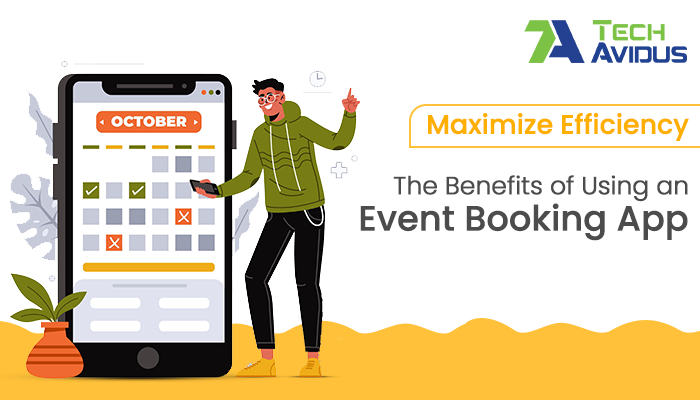
In the dynamic world of event management, efficiency isn't just a goal—it's a necessity. Embracing an event booking app can revolutionize how you plan and execute events, providing a suite of tools designed to enhance efficiency and streamline processes. The benefits of an event booking app include improved organization, seamless communication, and real-time updates, all of which contribute to a more successful event experience.

One of the most significant advantages of an event booking app is its ability to automate registration and ticketing. Traditional methods often involve manual data entry and multiple touchpoints, leading to inefficiencies and errors. Event booking software simplifies this process by allowing attendees to register and purchase tickets online. This automation not only speeds up the process but also minimizes administrative workload, reducing the risk of human error.
Event management requires constant adjustments and communication. Event booking apps excel in providing real-time updates, which ensures that both organizers and attendees are kept informed about any changes. Whether it's updating event details, adjusting schedules, or handling last-minute changes, this feature helps maintain clarity and avoid confusion, leading to a more organized and smooth-running event.
A seamless attendee experience is crucial for the success of any event. Event booking software enhances this experience by offering a user-friendly interface for registration, payment, and event information. Attendees can easily navigate through the process, select their tickets, and receive instant confirmations. This convenience not only boosts attendee satisfaction but also increases the likelihood of repeat participation in future events.
Another significant benefit of using an event booking app is the ability to gather and analyze valuable data. The software provides detailed reporting on various aspects of the event, including ticket sales, attendee demographics, and engagement levels. These insights are essential for assessing the success of your event and refining future strategies. By understanding what works and what needs improvement, you can make data-driven decisions to enhance your event planning.

Effective resource management is key to successful event execution. Event booking apps help optimize resource allocation by automating several administrative tasks, such as managing guest lists and tracking inventory. This streamlined approach allows you to allocate resources more efficiently and focus on strategic aspects of the event, such as content and engagement.
Integrating an event booking app into your event management toolkit provides a range of benefits, from automating registration and ticketing to enhancing the attendee experience and offering valuable insights. These benefits of event booking apps enable you to maximize efficiency, improve organization, and ensure a seamless event experience. Embrace this technology to elevate your event planning process and achieve exceptional results.
In summary, the use of an event booking app is a strategic move towards achieving greater efficiency and effectiveness in event management. With its ability to automate tasks, provide real-time updates, and offer detailed analytics, this software is an indispensable tool for modern event planners.
Bhavesh Ladva is a seasoned AI Developer with over 10 years of experience in machine learning, deep learning, and NLP. He has built scalable AI solutions across industries, leveraging technologies like Python, TensorFlow, and cloud platforms. Bhavesh is passionate about ethical AI and constantly explores innovative ways to solve real-world problems.
Our Top 1% Tech Talent integrates cutting-edge AI technologies to craft intelligent, scalable, and future-ready solutions.
All Rights Reserved. Copyright © 2026 | TechAvidus