

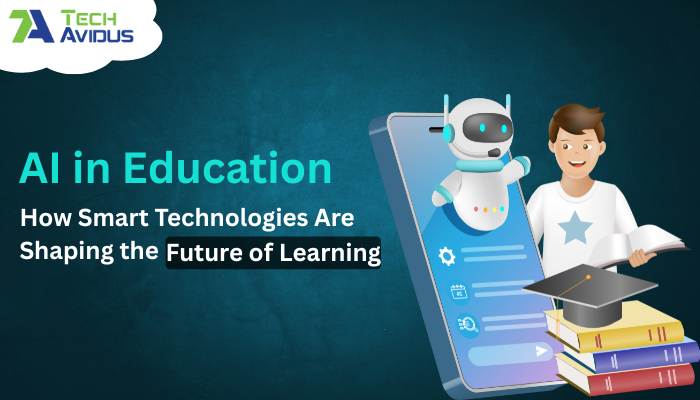
Artificial Intelligence (AI) is no longer a futuristic concept; it’s actively reshaping the education sector, from classrooms to online learning platforms. With its remarkable ability to adapt and analyze large datasets, AI is revolutionizing how students learn and how educators teach. In this blog, we’ll explore how AI helps in education, its benefits, and how smart technologies are creating a more effective and personalized learning experience.
1. Personalized Learning Paths: Tailoring Education to Every Student's Needs
One of the most significant contributions of AI in education is the creation of personalized learning experiences. By analyzing data such as students’ learning pace, performance, and preferences, AI algorithms can tailor educational content and assignments to meet individual needs. Platforms powered by AI can suggest specific resources, modify lessons in real-time, and offer additional practice where students may struggle.
According to a report by the Bill & Melinda Gates Foundation, 87% of students report greater learning outcomes when their learning is personalized. The more data the AI system gathers, the better it becomes at predicting what content or methods will benefit each student, improving their chances of success.
2. AI Tutors: Accessible Learning Anytime, Anywhere
Imagine having a tutor available 24/7, ready to assist students with any topic. AI-powered tutoring systems are becoming an increasingly popular tool, offering personalized assistance for a range of subjects. These systems can handle everything from math problems to essay writing, providing immediate feedback, explanations, and step-by-step solutions.
For example, platforms like Khan Academy use AI to guide students through exercises, adapting the level of difficulty based on their performance. This support ensures that learning can happen at any time, whether in the classroom or outside it, enabling students to learn at their own pace.
3. Enhanced Teacher Efficiency: Automating Administrative Tasks
AI isn't just benefiting students—educators are also reaping the rewards. By automating repetitive tasks such as grading assignments, managing schedules, and tracking student progress, AI allows teachers to focus more on teaching and less on administrative duties. AI-powered tools can grade essays, analyze student performance data, and even offer suggestions for improving lesson plans.
This shift helps educators to spend more time engaging with students and adapting their teaching strategies to improve learning outcomes. In fact, a study by McKinsey & Company revealed that AI can save teachers an average of 13 hours a week, a crucial factor in improving overall educational effectiveness.
4. Improving Student Engagement: Interactive and Immersive Learning
AI is transforming the way students engage with content. Through interactive simulations, virtual reality (VR), and gamification, AI creates an immersive learning experience that makes complex subjects easier to understand. For instance, AI-driven VR experiences in fields like anatomy or history allow students to explore virtual environments that enhance their learning. This method has been shown to increase retention rates and deepen understanding, particularly in STEM subjects.
Moreover, AI can analyze student engagement levels during lessons. If a student is losing focus or struggling, AI can adjust the content to maintain their interest, ensuring that they stay engaged throughout the learning process.
5. Adaptive Learning Platforms: Real-Time Feedback and Continuous Improvement
AI-powered adaptive learning platforms offer a dynamic approach to learning, where the system continuously evaluates the student’s progress and adjusts content accordingly. These platforms give students real-time feedback on their performance, offering tips, resources, and additional practice when necessary.
Platforms like Duolingo, an AI-powered language learning app, use adaptive learning technology to personalize each lesson based on user progress, making learning more efficient and tailored to individual needs. This not only helps students to advance at their own pace but also ensures they master each concept before moving on to more advanced topics.

6. Data-Driven Insights: Making Smarter Educational Decisions
The vast amount of data generated by students, educators, and institutions can be harnessed to make informed decisions about the learning process. AI tools analyze performance metrics, detect trends, and highlight areas where students might be struggling. This data-driven approach helps educators make real-time adjustments to teaching strategies, ensuring that no student is left behind.
Institutions also benefit from these insights, as they can use AI to evaluate the effectiveness of different teaching methods, optimize course offerings, and improve resource allocation. For example, Coursera and EdTech companies use AI analytics to enhance course content, improving the overall learning experience for their users.
Conclusion: The Future of Education is Smart and Adaptive
AI is undeniably transforming the landscape of education. From personalized learning experiences to time-saving administrative automation, AI's role in education is becoming more crucial than ever. It enables students to learn more effectively, provides teachers with the tools to improve their teaching methods, and offers educational institutions the data needed to make smarter decisions.
As the capabilities of AI continue to evolve, we can expect even more innovative applications in the educational sector, ultimately creating a more inclusive, efficient, and personalized learning environment for all.
Partner with TechAvidus to Embrace AI in Education
If you’re looking to implement AI-powered solutions to enhance your educational offerings, TechAvidus is here to help. As a leading IT company, we specialize in developing smart AI technologies that drive innovation in the education sector. Our team is committed to delivering customized solutions that improve student engagement, enhance learning experiences, and automate administrative tasks. Reach out to us today to explore how we can help your institution stay ahead in this rapidly evolving landscape.

Bhavesh Ladva
Bhavesh Ladva is an AI Developer and rapid product development expert with over 10 years of experience in AI, machine learning, deep learning, and NLP. He specializes in turning ideas into functional, scalable products using modern AI-powered development tools such as Lovable, Bolt, Claude, and other emerging AI platforms. His experience spans AI integrations, APIs, automation, cloud platforms, and intelligent workflows, enabling him to take products from concept to production efficiently.
.webp "AI-Generated Content vs Human Content: SEO Performance and ROI Compared")